

Many people consider dental veneers to improve the appearance of their teeth, especially if they have chipped, discoloured, misshapen, or misaligned teeth. However, one common question often arises during cosmetic dental procedures: Can you get veneers with gum disease? The short answer is that dental veneer treatments usually require healthy gums, as gum disease can interfere with treatment success. Gaining a clear understanding of gum disease and its impact on veneer placement allows you to make well-informed choices about your dental and oral health.
This guide explains why treating gum disease should precede any cosmetic dental work, how gum tissue responds to veneer treatments, and the steps involved in creating a stable foundation for a long-lasting, healthy smile.
Why Gum Health Matters Before Getting Veneers
A healthy gum foundation is essential for cosmetic dentistry. Veneers are placed on natural teeth, yet their success depends heavily on the stability and health of the surrounding gum tissue. Without good oral health and optimum gum health, veneers with gum disease can lead to complications such as gum recession, swollen gums, bleeding gums, or tooth loss.
The Role of Gum Tissue in Veneer Placement
Healthy gums support the tooth surface, protect the tooth roots, and contribute to the appearance of the smile. When gums are inflamed, infected, or receding, the veneer edges may become visible or trap bacteria. Active gum disease also affects the bond strength of dental cement to the tooth surface. This means the veneers may not adhere properly, increasing the risk of failure.
Why Untreated Gum Disease Must Be Addressed First
Untreated gum disease can make the gum line uneven, cause gum inflammation, and expose the diseased root of a tooth. If left untreated, periodontal disease can progress and affect healthy bone and tooth roots, compromising long-term dental health. Getting veneers with gum disease would only mask the cosmetic concerns while the underlying issue worsens. This is why a dental professional focuses on treating gum disease first to restore gum health and create a stable foundation for dental treatments.
Understanding Gum Disease Before Cosmetic Treatment
Before asking if you can get veneers with gum disease, it helps to understand gum disease and how it affects your smile. Gum disease is a bacterial infection of the gum tissue caused by poor oral hygiene, plaque buildup, or underlying medical conditions.
Stages of Gum Disease and How They Affect Veneers
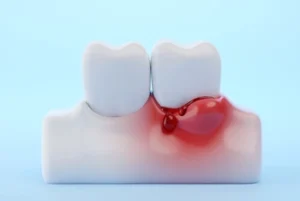 Gum disease typically progresses through two primary stages:
- Gingivitis: This early stage involves swollen gums, gum inflammation, and occasional bleeding gums. At this stage, gum disease can often be reversed through proper oral hygiene practices, regular dental visits, and targeted treatments.
- Periodontal disease: This advanced stage affects the supporting structures of the teeth, including the tooth roots and healthy bone. Periodontal disease can lead to gum recession, tooth mobility, and tooth loss. Veneers with gum disease at this stage are not recommended until the infection is controlled.
Symptoms That May Prevent Veneer Placement
If you notice any of the following signs, a dental professional will likely delay cosmetic dental treatments:
- Swollen gums
- Bleeding gums
- Gum recession
- Loose teeth
- Persistent bad breath
- Painful gums when brushing or chewing
- Sensitivity from exposed tooth roots
Active gum disease cannot support the demands of veneer placement, whether porcelain veneers or composite veneers are used.
Can You Get Veneers With Gum Disease?
In most cases, you cannot get veneers with gum disease until the condition is treated. Cosmetic dental procedures rely on healthy gum tissue and healthy teeth to ensure long-lasting results. If gum disease is present, it must be managed first to avoid complications during and after veneer placement.
Why Dental Veneers Need a Stable Gum Foundation
Dental veneers require a strong and stable foundation because they attach to the tooth surface using dental cement. When gum disease affects the gum tissue or causes gum recession, the edges of the veneers may become exposed or visible. This can compromise the appearance of the veneers and may trap plaque or bacteria, leading to further problems.
Risks of Getting Veneers With Active Gum Disease
Choosing cosmetic dental work while dealing with gum disease can lead to several issues:
- Uneven gum lines
- Visible veneer margins
- Increased risk of tooth decay around the veneers
- Irritation of already inflamed gums
- Veneer failure
- Worsening periodontal disease
- Poor long-term results
- Higher chance of tooth loss
This is why getting veneers with gum disease is generally discouraged unless the gum disease has been successfully treated.
Restoring Gum Health Before Veneer Treatments
The good news is that most people with gum disease can still get dental veneer treatments in the future once their gums are healthy. Modern dentistry offers many treatment options that restore gum health, reduce gum inflammation, and rebuild a stable foundation for veneers.
A dental professional may recommend one or more of the following treatments depending on the severity of the gum disease:
Root Planing and Scaling
This deep cleaning procedure removes plaque and hardened tartar from below the gumline to improve gum health. It helps gum tissue reattach to the tooth surface and reduces inflammation.
Antibiotic Mouth Rinse or Medication
Some dentists prescribe an antibiotic mouth rinse to target bacteria and support healing. This treatment helps stabilise mild cases of gum disease.
Surgical Treatments
More advanced gum disease may require surgical treatments to reduce periodontal pockets, remove damaged tissue, or reshape the gumline.
Bone Grafting
Bone grafting may be required when periodontal disease has caused significant bone loss. Healthy bones are important for long-term dental stability, particularly when planning cosmetic dental treatments.
Creating a Stable Foundation for Veneers
Once gum disease is treated, the dental professional focuses on ensuring a stable foundation for veneers. This includes:
- Ensuring gum tissue is healthy and firm
- Confirming the absence of inflammation or infection
- Checking the tooth roots for stability
- Ensuring natural teeth are free from tooth decay
- Verifying that oral hygiene practices are consistent
- Ensuring gum recession is under control
This preparation helps ensure that veneer placement is successful, whether porcelain or composite resin veneers are selected.
Veneer Options After Gum Disease Treatment
Once the gums are healthy and stable, dental veneers can be considered as part of a personalised treatment plan. Both porcelain or composite veneers and composite resin veneers can enhance your smile once your gum health is restored.
Porcelain Veneers
Porcelain veneers are thin, durable shells placed on the front surface of natural teeth. They are often used to address chipped teeth, discoloured teeth, misshapen teeth, or misaligned teeth. They can offer long-lasting cosmetic results when placed on a stable foundation.
Composite Veneers
Composite veneers are created by directly bonding composite resin to natural teeth. They can improve the appearance of veneers with gum concerns once gum health is fully restored.
Veneers for Patients with Gum Recession
If gum recession persists after periodontal disease treatment, veneer placement may require adjustments. A dental professional may modify the veneer design or treatment plan to ensure natural-looking results while protecting the exposed tooth roots.
Maintaining Gum Health After Veneer Placement
After dental veneers are placed, maintaining good oral health is essential to prolong their lifespan and protect the gum tissue.
Essential Oral Hygiene Practices
To maintain a healthy smile, follow these steps:
- Brush twice a day with a soft-bristle toothbrush
- Use fluoride toothpaste
- Floss daily to remove plaque between teeth
- Rinse with a dentist-approved mouthwash
- Maintain regular dental visits
- Avoid poor oral hygiene habits like skipping brushing or flossing
Good oral health prevents gum inflammation, tooth decay, and damage to the gum edges.
Regular Dental Visits Are Important
Regular check-ups help monitor gum health and ensure periodontal disease does not return. A dental professional will assess gum tissue, tooth roots, dental cement integrity, and the condition of the veneers, including any gum concerns that may arise.
When Veneers May Not Be Suitable
 In certain cases, veneers may not be recommended even after treating gum disease, particularly if:
- There is advanced bone loss
- Tooth roots are unstable
- There is severe gum recession
- The tooth structure cannot support veneers
- There is an ongoing periodontal disease despite treatment
In these situations, a dentist may suggest alternative dental treatments that support overall dental health.
Final Thoughts: Your Gum Health Matters Before Veneers
So, can you get veneers with gum disease? Not until your gum health is restored. Healthy gums create a stable foundation for veneer treatments, protect your natural teeth, and ensure long-term success. Treating gum disease first supports better cosmetic results and protects your overall dental health. Whether choosing porcelain veneers or composite veneers, prioritising gum health will help you achieve a healthy smile that lasts.
If you ever experience swollen gums, gum inflammation, bleeding gums, or receding gums, seeking early treatment can prevent complications and open the door to cosmetic dental treatments in the future. With the guidance of a dental professional and commitment to good oral hygiene practices, you can safely move toward the cosmetic dental procedures that align with your goals.
For personalised advice or gum health assessment, contact Melton Smiles at (03) 8007 2883 to book an appointment and take the next step toward improving your smile.
References
healthdirect. (2025, February). Veneers. Healthdirect Australia. https://www.healthdirect.gov.au/veneers
Colgate-Palmolive Company. (2023, January 9). Antiseptic vs. antibacterial mouthwash: What’s the difference? https://www.colgate.com/en-us/oral-health/selecting-dental-products/antiseptic-vs-antibacterial-mouthwash-whats-the-difference
Cleveland Clinic. (2023, April 10). Periodontal disease (gum disease). https://my.clevelandclinic.org/health/diseases/21482-gum-periodontal-disease
National Health Service. (2025, August 13). Tooth decay. https://www.nhs.uk/conditions/tooth-decay/