

A root canal procedure treats the soft tissue inside a tooth when it becomes infected or inflamed, so the tooth can stay in your mouth rather than being removed. This guide explains the signs to look for, each stage of root canal treatment and how to care for the tooth afterwards.
Quick Overview
- A root canal procedure removes infected or damaged pulp from inside a tooth and seals the space.
- Pulp infection can start when a deep cavity, a crack or an injury lets bacteria into the tooth.
- Sensitivity to hot or cold, pain when biting and gum swelling are common signs, although some teeth show none.
- Treatment finishes with a filling or crown, and your dentist first checks that the tooth can be restored.
Each section below covers one stage in more detail.
What Is a Root Canal Procedure?
A root canal procedure, commonly referred to as root canal therapy or endodontic treatment, removes the pulp from inside a tooth once it is infected or damaged, so the tooth can be kept.
The dental pulp is soft tissue made up of blood vessels, connective tissue and the tooth’s nerve. It fills the pulp chamber and the channels inside each root, known as the root canal system. A fully formed tooth draws nourishment from the tissues around its root, so it can keep functioning without its pulp.
Common Symptoms and Causes of an Infected Tooth
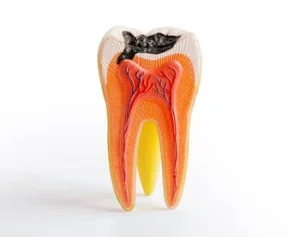 Root canal symptoms include tooth pain that starts without warning, pain when biting, sensitivity to hot or cold foods, gum swelling near the affected tooth and a tooth that turns darker. Some infections cause no symptoms, so X-rays at a check-up help your dentist decide whether you need a root canal.
Bacteria can reach the tooth pulp through deep decay, including decay under a deep filling, or through a crack or tooth damage from a knock. Infected tooth pulp loses its ability to fight bacteria, so the bacteria multiply and a tooth infection develops.
What Happens During Root Canal Treatment?
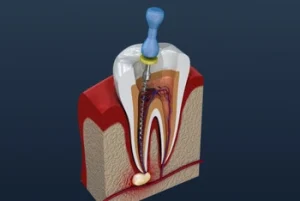
Root canal treatment involves numbing the tooth, removing the infected pulp, cleaning and shaping the canals, then sealing and restoring the tooth.
- Planning: X-rays show the number, shape and depth of the roots so your dentist can plan treatment.
- Numbing: A local anaesthetic numbs the tooth and surrounding gum.
- Isolating: At Melton Smiles, we isolate the tooth with a rubber dam, a thin sheet that keeps the tooth free from saliva during treatment.
- Removing the pulp: Through a small opening in the top of the tooth, your dentist removes infected and damaged pulp from the pulp chamber and canals.
- Cleaning and shaping: Small instruments and disinfecting solutions clean and shape each canal. If another visit is needed, the tooth is covered with a temporary filling.
- Sealing: The canals are filled with gutta-percha, a biocompatible material, meaning the body’s tissues tolerate it. This filling material seals the space where the pulp was.
- Restoring: A permanent filling or permanent crown protects the remaining natural tooth structure.
What If an Infected Root Canal Is Left Untreated?
Without treatment, an infected root canal may get worse, and antibiotics alone do not cure it. The infection can spread into the jawbone and cause bone damage, an abscess and further complications, including tooth loss.
If you decide against root canal treatment for an infected or damaged tooth, the only alternative that deals with the infection is removing the tooth. This leaves a gap that may need further treatment with an artificial tooth.
Is a Root Canal Painful?
The tooth is numbed before treatment begins, and removing the infected pulp is intended to relieve pain from the infection. You may feel some discomfort afterwards, with relief often reported by day three.
For patients who feel anxious, happy gas is available at our clinic. If you notice severe pain or swelling, contact your dentist.
How Do You Care for a Treated Tooth?
 Until your permanent filling or crown is placed, avoid hard or sticky foods. Hard foods can damage a temporary filling, and sticky foods can pull it loose.
A well-sealed crown or filling is as important as the treatment itself. It helps prevent bacteria from re-entering the canals, so your dentist aims to place it soon after treatment.
Most patients, around 90 to 95 per cent, can expect a working tooth after treatment. With proper care, including good oral hygiene, less sugar and regular check-ups, you protect the treated tooth, the healthy teeth around it and your wider dental health.
Root Canal Treatment at Melton Smiles
Pain, sensitivity or swelling around a tooth should be checked to find the cause. At Melton Smiles, our dentists examine the affected tooth, take X-rays, review your overall oral health and explain your treatment options. Individual outcomes vary, and we explain what to expect before treatment begins. To arrange an assessment, please call us on (03) 8007 2883.
Frequently Asked Questions
How many visits does a root canal procedure take?
Root canal treatment may take one visit or several, depending on how complex the tooth is. Front teeth usually have one root, while molars can have up to three, and each root can hold more than one canal. Your dentist can tell you what to expect after assessing your tooth.
How do I prepare for a root canal?
Eat before your appointment, as your mouth may feel numb for a few hours after this dental procedure. Tell your dentist about any health conditions or medicines, and follow any instructions given before the visit.
Why does a tooth need a crown after a root canal?
Teeth that require root canal treatment have often lost structure to tooth decay, large fillings or cracks. After treatment, the tooth may be more likely to break, and a crown covers and strengthens it. Some teeth only need a filling, depending on your individual situation.
Will my tooth change colour after root canal treatment?
A tooth without its pulp can gradually turn grey, particularly when it is sealed with a filling rather than covered by a crown. If a front tooth looks darker than your other teeth, your dentist can explain ways to improve its appearance.
Can a root canal be re-treated if it becomes infected again?
Infection can sometimes return after treatment. If further infection develops, your dentist can assess whether the tooth needs additional treatment, such as re-treating the canals, or needs to be removed.
Any surgical or invasive procedure carries risks. Before proceeding, you should seek a second opinion from an appropriately qualified health practitioner.
References
https://www.healthdirect.gov.au/root-canal-treatment
https://dhsv.org.au/oral-health-advice/teeth-tips/root-canal-treatment