

When people hear the term dental plaque, they often picture something dramatic or alarming, especially during a routine dental checkup. In reality, it is something far more ordinary and far more constant. Dental plaque is a natural, ongoing process inside your oral cavity. It forms quietly, daily, and sometimes within hours of brushing.
Yet while it may be common, it is not harmless. Left unmanaged, this sticky film becomes the starting point for tooth decay, gum disease, and a range of oral health issues that can progress further than most people expect.
Let us take a closer look at how plaque forms, why plaque control matters so much, and how you can prevent plaque from interfering with your long-term dental health.
So What Exactly Is Dental Plaque?
Dental plaque is a sticky film of oral bacteria, saliva, and food particles. It develops on tooth surfaces, particularly along the gum line and on chewing surfaces where toothbrush bristles may struggle to reach.
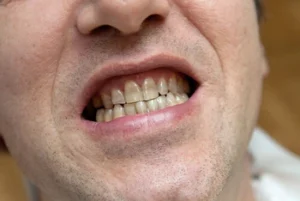 At first, plaque is soft plaque. It is pale yellow, almost invisible in its early stage, and can feel slightly fuzzy if you run your tongue across your teeth at the end of the day. This soft plaque is known scientifically as a plaque biofilm, which means it is a living community of bacteria working together.
Within this biofilm, plaque-causing bacteria feed on leftover food particles, especially sugary or starchy foods. As they digest these food particles, they produce acids. Those acids slowly weaken tooth enamel, opening the door to tooth decay.
Plaque forms continuously. Even after thorough brushing and flossing, the process begins again within hours.
How Plaque Forms: A Day in the Life of Your Teeth
Plaque formation is not a random event. It is a predictable, daily process that begins shortly after you finish brushing. Understanding how plaque forms over the course of a single day can help you appreciate why consistent oral hygiene habits are so important.
The First Few Hours
After you brush and floss, your teeth feel smooth. But within minutes, a thin layer of proteins from saliva coats your tooth surfaces. This layer creates an ideal environment for oral bacteria to attach.
Bacteria Move In
Oral bacteria naturally live in the mouth. When they adhere to this protein layer, they begin multiplying. If sugary or starchy foods are consumed, these bacteria have fuel to grow more quickly.
Acid Production Begins
As bacteria metabolise sugars, they produce acids. These acids attack tooth enamel, weakening its structure. Repeated acid exposure increases the risk of cavities.
This is why limiting sugary foods and maintaining good oral hygiene are central to plaque control.
From Soft Plaque to Hardened Plaque
If plaque is not removed promptly, it does not simply sit there unchanged. Over time, minerals in saliva cause it to harden. This hardened plaque becomes dental calculus, also referred to as tartar buildup.
Once plaque and tartar form, they behave differently.
Soft plaque can be removed with brushing and flossing. Hardened plaque cannot. Tartar can only be safely removed by a dental professional during a professional cleaning. Trying to remove it yourself at home may harm the gums and weaken the tooth enamel.
Dental calculus provides a rough surface that encourages further plaque buildup. This cycle can escalate quickly without intervention.
The Connection Between Plaque and Tooth Decay
Tooth decay does not happen overnight. It develops gradually as plaque-causing bacteria produce acids that erode tooth enamel.
Enamel is strong, but it is not indestructible. Repeated acid attacks weaken it, allowing bacteria to penetrate deeper into the tooth. Once decay reaches the inner layers, treatment becomes more complex.
Chewing surfaces are especially vulnerable because they contain grooves where plaque buildup can settle. Dental sealants are sometimes recommended to protect these areas, particularly in children and teenagers.
Preventing plaque significantly reduces the likelihood of tooth decay.
How Plaque Affects Your Gums
Plaque not only attacks teeth. It also irritates the gum line.
When plaque collects along the gum margin, the bacteria trigger inflammation. The earliest stage of gum disease is called gingivitis. It is often marked by bleeding gums during brushing and flossing.
At this stage, gum disease is reversible with improved oral hygiene and professional cleaning. However, if plaque buildup continues, inflammation can progress.
Advanced gum disease, referred to as periodontitis, impacts the deeper tissues and bone that support the teeth. Over time, it can result in loose teeth and may ultimately lead to tooth loss.
Bleeding gums, persistent bad breath, and swollen gums are early warning signs that should not be ignored.
Plaque and Tartar: Why the Difference Matters
Many people assume plaque and tartar mean the same thing, but they are actually different stages of the same process.
Plaque is soft, sticky, and removable at home. Tartar buildup is hardened plaque that bonds firmly to the tooth surface.
Only a dental professional can remove tartar safely. Regular dental check-ups and professional cleaning appointments are essential because removing tartar is not something that can be done effectively with home tools.
Ignoring tartar buildup increases risk factors for advanced gum disease and ongoing oral health issues.
Why Some People Develop More Plaque Than Others
Not everyone experiences plaque in the same way. Several risk factors influence how quickly plaque forms and how aggressively it progresses.
Diet
Frequent consumption of sugary or starchy foods increases acid production. Sticky foods are particularly problematic because they cling to tooth surfaces longer.
A healthy diet that limits sugary foods and emphasises whole foods supports good oral health.
Oral Hygiene Habits
Inconsistent brushing and flossing allow plaque to remain undisturbed. To remove plaque regularly, brushing and flossing must be thorough and consistent.
Using a soft-bristle toothbrush helps protect the gums while cleaning effectively. Some people find that an electric toothbrush improves plaque control, particularly around the gum line.
Saliva Flow
Saliva naturally helps neutralise acids and wash away food particles. Reduced saliva flow may increase plaque buildup and raise the risk of tooth decay.
Signs That Plaque May Be Causing Problems
Plaque itself is not always visible, but its effects often are.
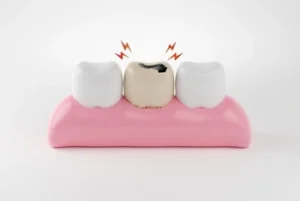 Common signs include:
- Bleeding gums
- Persistent bad breath
- Swollen or tender gums
- Pale yellow film on teeth
- Remaining surface stains
- Loose teeth in advanced stages
Bad breath is frequently linked to plaque and tartar accumulation. As bacteria break down food particles, they release unpleasant odours.
If persistent bad breath continues despite brushing and flossing, it may indicate hardened plaque or underlying gum disease.
Daily Habits That Help Prevent Plaque
The goal is not to eliminate bacteria completely. That is neither realistic nor necessary. The aim is plaque control.
Brushing Teeth Properly
Clean your teeth a minimum of twice each day with a soft-bristle toothbrush. Position the bristles so they gently reach the gum line, and make sure you thoroughly clean every tooth surface, including the chewing surfaces and the hard-to-reach back teeth.
An electric toothbrush may improve plaque removal, particularly for those who struggle with manual brushing technique.
Flossing
Flossing removes plaque and food particles from between teeth where toothbrush bristles cannot reach.
Antiseptic Mouthwash
An antiseptic mouthwash may help kill bacteria and reduce plaque-causing bacteria. It should complement brushing and flossing, not replace them.
Sugar Free Gum
Chewing gum, particularly sugar-free gum, stimulates saliva production. Increased saliva can help neutralise acids and reduce plaque after meals.
The Importance of Regular Dental Visits
Even with excellent oral hygiene at home, some areas are difficult to clean thoroughly. Regular dental visits allow early detection of plaque-related problems.
A dentist can perform a professional cleaning to remove stubborn plaque and tartar buildup. Only a dental professional has the tools and training to do this safely and effectively.
Routine dental check-ups allow potential concerns such as early gum disease, tooth decay, and other oral health issues to be detected and addressed before they progress into more complex problems.
Dentist appointments should not be viewed as optional. They are a critical part of maintaining good oral health.
What the Research Says About Plaque
Scientific literature, including findings published in sources such as the British Dental Journal, has consistently highlighted the central role of plaque biofilm in dental disease.
Research shows that plaque forms rapidly and that consistent plaque control significantly reduces risk factors for both tooth decay and gum disease.
Understanding plaque as a living biofilm helps explain why simple rinsing with water is not enough. The sticky film must be physically disrupted through brushing and flossing.
When Plaque Leads to More Serious Oral Health Issues
Unchecked plaque buildup can escalate beyond mild gingivitis.
Advanced gum disease may cause gum recession, bone loss, loose teeth, and ultimately tooth loss. At this stage, treatment becomes more involved and may require specialised care.
Oral bacteria can also contribute to inflammation beyond the oral cavity. While plaque itself remains localised, its inflammatory effects can influence overall dental health and wellbeing.
Prevent plaque early, and you prevent many downstream complications.
Professional Cleaning: What to Expect
During a professional cleaning, a dentist uses specialised instruments to remove hardened plaque and dental calculus from above and below the gum line.
Ultrasonic scalers and hand instruments are commonly used. The process may also involve polishing to remove remaining surface stains.
Professional cleaning is generally advised every six months, though the ideal interval may differ based on your individual risk factors and overall oral health needs.
Remember, remove plaque regularly at home, but remove tartar only with professional care.
Creating a Long-Term Plaque Control Plan
Effective plaque control is not about perfection. It is about consistency.
Consider these practical steps:
- Brush teeth properly twice daily
- Floss daily
- Limit sugary foods and starchy foods
- Maintain a healthy diet
- Use antiseptic mouthwash when advised
- Chew sugar-free gum after meals
- Attend regular dental visits and regular dental check-ups
Small daily habits reduce plaque and protect tooth enamel.
A Gentle Reminder About Balance
It is easy to feel overwhelmed by information about oral bacteria and plaque buildup. The goal is not fear. The goal is awareness.
Dental plaque is natural. It will always form. The line between maintaining good oral health and developing ongoing oral health issues often comes down to how regularly and effectively plaque is controlled.
With brushing and flossing, mindful food choices, and professional cleaning when needed, you can reduce plaque, protect your gums, get a brighter smile and support strong dental health for years to come.
Plaque may be a sticky film, but it does not have to dictate the future of your smile.
If you would like personalised guidance on plaque control, or it has been a while since your last check-up, contact Melton Smiles on (03) 8007 2883 to arrange an appointment and take the next step towards protecting your dental health.
References
Cleveland Clinic. (n.d.). Plaque. Retrieved from https://my.clevelandclinic.org/health/diseases/10953-plaque
Dental Health Foundation. (n.d.). Sugar-free chewing gum. Retrieved from https://www.dentalhealth.org/sugar-free-chewing-gum
Mayo Clinic. (n.d.). Cavities (tooth decay): Symptoms and causes. Retrieved from https://www.mayoclinic.org/diseases-conditions/cavities/symptoms-causes/syc-20352892
NHS. (n.d.). Bad breath. Retrieved from https://www.nhs.uk/symptoms/bad-breath/
Doherty, R. (2016). Biofilms: What does subgingival plaque look like? British Dental Journal, 221, 16. Retrieved from https://www.nature.com/articles/sj.bdj.2016.487