

Many parents ask: how many teeth do kids lose, and when do they usually fall out? Losing teeth is a normal part of tooth development, but it can still raise questions, especially when the first loose tooth appears.
This guide explains how many teeth children lose, why it happens, and what it means for your child’s dental health. It also helps parents understand when routine dental care or a check-up may be useful during this stage of development.
How Many Baby Teeth Do Children Have?
Most children have 20 baby teeth, which are commonly referred to as milk teeth, primary teeth, or deciduous teeth. These are the first teeth that appear in a child’s mouth and play an important role in chewing, speaking, and guiding future teeth.
So, when parents ask how many baby teeth children have, the answer is simple: 20 baby teeth in total.
How Many Teeth Do Kids Lose?
Children lose all their baby teeth, which means they usually lose 20 teeth over time. These baby teeth fall out to make space for permanent teeth, sometimes called permanent adult teeth.
So, if you are asking how many teeth kids lose, the answer is that most children lose 20 baby teeth as part of normal dental development.
When Do Kids Start Losing Teeth?
Most children begin losing baby teeth between 5 and 7 years of age. This is when kids start losing teeth, although the exact timing can vary from child to child.
Some children start losing their baby teeth a little earlier, while others may start later. Both can still be normal.
Which Teeth Fall Out First?
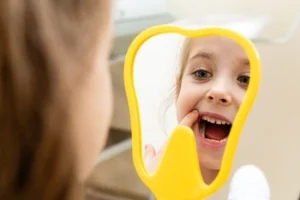 The first baby teeth to fall out are usually the front teeth. These are the teeth children use for biting and smiling. This often includes:
- Lower central incisors, which are the two front teeth on the bottom
- Upper central incisors, which are the two front teeth on the top
These teeth tend to loosen first because the adult teeth underneath them develop earlier.
After the front teeth fall out, other baby teeth are usually lost in a gradual order, including:
- Lateral incisors, which sit next to the front teeth
- First molars, the larger teeth used for chewing
- Canine teeth, the pointed teeth next to the incisors, help with tearing food
- Second molars, the back baby teeth
This process happens slowly over several years as children continue losing their baby teeth and permanent teeth take their place.
Why Do Baby Teeth Fall Out?
As a child grows, the child’s permanent teeth begin forming under the gums. These adult teeth slowly push upward, causing the roots of the baby teeth to dissolve.
When the roots shrink, the baby teeth loosen, and eventually, the teeth fall out naturally. This is a normal part of dental development and usually does not cause pain.
How Long Does Tooth Loss Take?
The loss of baby teeth does not happen all at once. Children usually continue losing teeth from around age six until about 12 or 13.
By the end of this stage, most children have lost many baby teeth and have most of their permanent teeth in place, except for wisdom teeth, which appear much later in life.
How Many Permanent Teeth Do Children Get?
Children eventually develop 32 permanent teeth in total. These include:
- Incisors
- Canines
- Premolars
- Molars, including wisdom teeth
Not all permanent teeth appear during childhood. Wisdom teeth usually develop in the late teenage years or adulthood.
What If Teeth Fall Out Too Early?
Sometimes, early tooth loss can occur due to injury or tooth decay. Losing baby teeth too early may affect how a child’s teeth develop, as baby teeth help guide adult teeth into the correct position.
If a tooth falls out much earlier than expected, it is a good idea to speak with a dentist about the best next steps for your child’s oral health.
Caring for a Child’s Teeth During Tooth Loss
 Good dental care is important throughout the tooth-losing years. Even though baby teeth are temporary, they still play a key role in chewing and speech.
Helpful habits include:
- Brushing twice daily to protect the child’s teeth
- Supporting good oral health as new teeth appear
- Watching for signs of decay or discomfort
Maintaining dental health during this stage supports a healthy child’s permanent teeth later on.
What Parents Should Expect During This Stage
During this time, children may feel excited or nervous about losing teeth. Gaps in the smile are normal, and some teeth may fall out before the replacement tooth appears.
The child’s mouth may look different for a while, but this stage passes as permanent teeth continue to come through.
When to Seek Dental Advice
 If you notice:
- ongoing pain,
- signs of infection,
- or teeth falling out much earlier or much later than expected
It is helpful to seek advice from a dentist. Dentists who focus on children can provide guidance tailored to a child’s dental development.
Final Thoughts
So, how many teeth do kids lose? In most cases, children lose 20 baby teeth as part of normal growth. This process starts when kids start losing their baby teeth around age six and continues over several years.
Understanding how and why children lose teeth can help parents feel more confident supporting their child through this natural stage. With good dental care and regular check-ups, children can move smoothly from baby teeth to strong, healthy adult teeth.
If you have questions about your child’s teeth development or want guidance on caring for their teeth as they grow, you can book a consultation with us at Melton Smiles or call (03) 8007 2883 to discuss your child’s dental health with a dentist.
Resources
Better Health Channel (2023). ‘Teeth development in children’. Better Health Channel, reviewed 16 August. Melbourne, VIC: State Government of Victoria.
https://www.betterhealth.vic.gov.au/health/conditionsandtreatments/teeth-development-in-children
Mayo Clinic Staff (2023). ‘Cavities and tooth decay’. Mayo Clinic, 30 November. Rochester, MN: Mayo Foundation for Medical Education and Research.
https://www.mayoclinic.org/diseases-conditions/cavities/symptoms-causes/syc-20352892