

If you have been thinking about how to straighten bottom teeth, you are not alone. Many people notice changes in their lower teeth over time, including crowding, shifting, or mild misalignment. Because your lower teeth help guide your bite, even subtle changes in alignment can affect how your top and bottom teeth meet, how easily you can clean around tight areas, and how comfortable your mouth feels each day.
In this guide, you will discover why bottom teeth become crooked, the treatment options that may help straighten your teeth, and what you can expect throughout the process.
Having clear information can help you feel informed, supported, and ready to explore the approach that suits your individual case.
What Causes Bottom Teeth to Become Crooked?
Bottom teeth can become crooked for reasons such as crowding, thumb sucking in childhood, small jaw size, or the early or late loss of baby teeth.
Missing teeth, untreated bite problems, or natural wear can also affect alignment. Every individual case is different, so your dentist will assess your mouth, gums, and jaw to understand the cause.
Why Straightening Bottom Teeth Matters
When you straighten bottom teeth, you support better alignment between the upper teeth and lower teeth. Straightening your lower teeth can also help make cleaning easier, as misaligned teeth can affect how well you can maintain good oral hygiene.
This can lower the risk of developing tooth decay, gum disease, bad breath, and other potential issues in hard-to-reach areas.
Common Signs of Misaligned Bottom Teeth
 You may start to recognise misaligned bottom teeth when you notice your lower teeth overlapping, twisting, or sitting closer together than they used to. Some people also realise that their bite feels a little different, especially when the upper and lower teeth no longer meet as comfortably as before.
If your lower teeth look crooked, show signs of uneven wear, or feel more difficult to clean, these changes may indicate that your alignment is shifting.
Exploring orthodontic treatment can help you understand whether a gradual, guided approach to straightening your bottom teeth may support better comfort, easier cleaning, and a more balanced smile.
Professional Treatment Options to Straighten Bottom Teeth
Your dentist may suggest several treatment options depending on the position of your lower teeth and your goals for a straighter smile.
Each option helps gradually straighten crooked teeth, though suitability will depend on your alignment needs and the desired position of your teeth.
Metal Braces
Traditional metal braces rely on brackets and wires to guide your teeth into alignment. They are often recommended in cases with significant crowding, misaligned teeth, or complex bite concerns. Traditional metal braces apply gentle, steady pressure to straighten your teeth over time.
Invisalign® Treatment
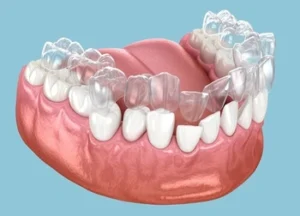
Invisalign® aligners are carefully customised to fit snugly over your teeth. These virtually invisible aligners can be an appealing choice if you prefer a discreet approach to straightening your bottom teeth.
Each set of Invisalign clear aligners is designed to gradually move your teeth towards their intended position.
Why DIY Braces Are Not Recommended
DIY braces can put your gum health, teeth, and alignment at risk. Without supervision from a qualified dentist, teeth can move too quickly or in the wrong direction and affect your bite, gums, and surrounding teeth.
Professional orthodontic treatment focuses on gradual, controlled movement to help protect your oral health throughout your treatment.
What to Expect During Orthodontic Treatment
 Your dental treatment begins with a detailed consultation. Your dentist will examine your mouth, gums, bite, and alignment of the bottom row.
They may take digital scans or X-rays to understand how your teeth currently sit. From there, they will design a treatment plan tailored to your goals and alignment needs.
You will be guided through each stage of treatment, whether you choose traditional braces, metal braces, clear aligners, or Invisalign aligners. Your dentist will support you throughout the process and help you maintain good oral hygiene.
Understanding Treatment Duration
The treatment duration varies depending on the type of treatment, the amount of movement required, and how consistently you wear your aligners or braces.
Some people require minor adjustments, while others may need more comprehensive alignment. Your dentist will guide you on what to expect for your individual case.
Caring for Your Teeth During Treatment
Maintaining good oral hygiene throughout treatment helps protect your gums and prevent dental issues. Brushing, flossing, and attending routine check-ups can keep your mouth healthy as your teeth gradually straighten.
If you choose clear aligners or removable aligners, your dentist will show you how to care for them to help keep your smile clean and fresh-feeling.
Frequently Asked Questions
Can crooked bottom teeth straighten on their own?
Crooked bottom teeth generally do not straighten without treatment. Because the jaw continues to shift as you age, lower teeth may become more crowded over time. Orthodontic treatment is typically required to straighten the lower teeth in a controlled way.
Is Invisalign treatment suitable for only the bottom teeth?
Depending on your alignment and bite, Invisalign treatment may be used for just the bottom row. However, your dentist will assess how your upper teeth and lower teeth fit together to ensure the bite remains balanced.
Is wearing retainers important after straightening my teeth?
After your teeth have reached their desired position, wearing retainers is essential to maintain the results. Retainers help your teeth stay aligned while your gums, bone, and bite stabilise. Consistently wearing them supports the long-term success of your straightening treatment and helps prevent your bottom teeth or other teeth from gradually shifting back to their previous positions.
Conclusion
 Straightening bottom teeth is an important step towards achieving straight teeth, improving comfort, and supporting good oral health.
Whether you are considering traditional metal braces, Invisalign clear aligners, or other professional treatment options, your dentist will guide you through a personalised, thoughtful approach based on your goals and alignment needs.
With the right treatment and consistent care, you can move towards a straighter smile that feels comfortable and balanced. If you are ready to explore straightening your teeth, a consultation can help you understand the next steps and what may suit your individual case.
Ready to explore how to straighten your bottom teeth and achieve a straighter, more comfortable smile? Contact Melton Smiles at (03) 8007 2883 to book a consultation with your dentist.
We’ll guide you through your personalised treatment options and help you take the first step towards a healthier, more balanced smile.
References
Burke, D. (2022, November 9). Malocclusion of the Teeth. Healthline. Retrieved December 4, 2025, from https://www.healthline.com/health/malocclusion-of-teeth
Lin, S. (2025, September 6). Orthodontics: Methods, Costs, and How Fast It Works. Verywell Health. Retrieved December 4, 2025, from https://www.verywellhealth.com/orthodontics-4014063
WebMD Editorial Contributors. (2025, May 26). What to Know About Effects of Thumb Sucking on Teeth. WebMD. Retrieved December 4, 2025, from https://www.webmd.com/oral-health/what-to-know-thumb-sucking-impact-teeth