

No one likes dealing with a damaged tooth, but getting it treated on time can prevent further issues. A tooth filling is one of the most common treatments used to restore a damaged tooth and keep it functional. When considering this option, many people wonder why tooth filling cost varies from one case to another. The price is not the same for everyone, and several things play a role in determining the final cost. Some may focus only on the cost, but it’s just as important to think about long-term dental health. Making the right choice now can prevent the need for more extensive treatments later. Let’s explore what affects the cost and how to find the best option for your smile.
What Is a Tooth Filling?
A tooth filling helps repair a damaged tooth when decay has created a hole. It restores the tooth’s shape and keeps it strong for everyday use. Without treatment, tooth decay can get worse and cause more discomfort. A filling seals the damaged area, preventing further issues and helping the tooth function properly.
What Should You Expect to Pay for a Tooth Filling?
The tooth filling cost in Australia can change based on different factors, such as the location of the tooth and the chosen material. Generally, a front tooth filling is priced at around $168, whereas a back tooth filling may be closer to $177.
What Influences the Cost of a Tooth Filling?
Understanding what affects the tooth filling cost can help you plan your treatment and make the best choice for your dental care.
 Type of Dental Filling Material
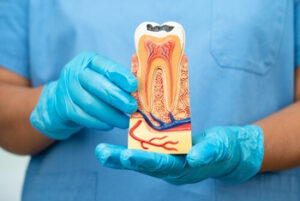 Type of Dental Filling Material
The kind of dental filling used plays a big role in the overall cost. Some materials are more affordable, while others offer durability and a more natural look. Amalgam fillings are often lower in cost, while composite fillings provide a natural appearance but may cost more. For those who prefer a long-lasting option, gold fillings or porcelain fillings may be recommended, though these tend to be more expensive due to the material’s strength and aesthetics.
Size and Location of the Filling
A larger cavity requires more filling material, which can increase costs. The position of the tooth fillings also matters—restorations on back teeth, which handle more chewing pressure, may need a stronger and more durable material. Front teeth, on the other hand, often require a filling that blends with the natural shade of your smile, which may cost more.
Experience and Expertise of the Dentist
Does the dentist’s experience affect the price of a filling? In many cases, yes. A highly skilled professional with advanced training may charge more for their expertise. While it might be tempting to choose the lowest cost, a well-placed filling ensures long-term durability and comfort.
The Use of Advanced Technology
Some clinics use digital tools and high-tech equipment to improve precision. Digital scanners and laser-assisted treatments may result in a more accurate dental filling, but these advanced methods can also reflect in the price. Patients who prefer modern techniques for improved comfort may find these additional costs worthwhile.
Number of Fillings Needed
A single filling will naturally cost less than multiple fillings in one visit. If there are several cavities that need attention, the total cost will be higher. However, treating multiple teeth in one session may reduce future costs by preventing further tooth decay from spreading.
Dental Insurance and Payment Plans
Is the treatment covered by dental insurance? Some plans cover a portion of the cost, depending on the type of filling and the level of coverage. It’s important to check what is included in the plan, as some policies may fully or partially cover specific dental filling material, while others may only offer basic coverage.
How Is the Tooth Filling Procedure Done?
Understanding what happens during the tooth filling procedure can help you feel more prepared for your visit.
Step 1: Numbing the Tooth
Before any work begins, the dentist applies a numbing gel to the gums near the affected tooth. Once the area starts to feel numb, a local anaesthetic is injected to prevent discomfort during the dental procedure. This ensures that the patient remains comfortable while the treatment is performed.
Step 2: Removing the Damaged Part
Using specialised tools, the dentist carefully removes the decayed or damaged portion of the tooth. This step is important to prevent further issues and create a clean surface for the filling. The goal is to remove all weak areas while keeping as much of the natural tooth as possible.
Step 3: Cleaning the Prepared Space
Once the damaged part is taken out, the empty space is cleaned to remove any debris or bacteria. This step helps lower the risk of future decay and ensures the filling bonds properly. A protective solution may be applied to help strengthen the tooth’s surface before placing the filling.
Step 4: Filling Placement
The chosen filling material is placed in layers to rebuild the tooth’s structure. Each layer is carefully shaped to match the natural contours of the tooth. For certain types of fillings, a special light is used to harden each layer before the next one is added. This step ensures the filling is strong and secure.
Step 5: Shaping and Polishing
Once the filling is fully set, the dentist shapes it to ensure a natural bite and smooth surface. This step is crucial for comfort, as an uneven filling can cause irritation when chewing. After shaping, the filling is polished to match the surrounding tooth, giving it a smooth and natural appearance.
Step 6: Checking the Bite
To make sure the filling fits well, the dentist asks the patient to bite down on a special paper strip. This helps detect any high spots that may need slight adjustments. Any necessary refinements are made to ensure a comfortable bite that feels natural.
Step 7: Final Review and Care Instructions
Before completing the visit, the dentist provides guidance on dental care after the procedure. They may offer advice on how to avoid sensitivity, what foods to eat, and how to maintain the filling. Proper care helps extend the life of the filling and keeps the tooth strong.
Get the Right Treatment at the Right Price
 Delaying a filling can lead to bigger dental issues, but getting it done on time can save both your tooth and your budget. Dental filling costs vary, but investing in your dental health now prevents more expensive treatments later. A well-placed filling strengthens the tooth and helps maintain a healthy smile. Our team is here to provide quality care with options that suit your needs. If you have any concerns about pricing, let’s discuss the best solution for you. Call us today at (03) 9743 7375 to book an appointment and keep your smile in great shape.
References
https://www.nidcr.nih.gov/health-info/dental-fillings
https://www.news-medical.net/health/Dental-Filling-Procedure.aspx