

Fear of pain is one of the most common reasons people put off dental treatment. For a lot of patients, the question comes before the appointment: do dental fillings hurt?
At Melton Smiles, we have been answering that question for the Melton community since 1996. Our team works with patients of all ages, including those who find the dental chair stressful, and we think honest answers make a difference. Learn more about our tooth fillings service.
Quick Overview
- What it is: A dental filling removes decay and restores a tooth, but the experience varies more than most patients expect going in
- Who it may apply to: Anyone with a cavity may need one, and those with dental anxiety often find the procedure itself is not the hardest part
- What it involves: A local anaesthetic is used to manage discomfort, and additional options exist for patients who need more support
- What influences outcomes: The size and depth of the cavity shapes both the procedure and the recovery, often in ways that are not obvious
- What guides next steps: Some post-filling sensations are normal, others are worth acting on, and the difference is worth knowing before you leave the chair
Keep reading to understand what the dentist actually does at each stage, how cavity depth changes the experience, and which post-filling signs to watch for.
What Does the Dentist Actually Do During a Filling?
A dental filling follows a clear sequence. Understanding each step helps take the uncertainty out of the appointment.
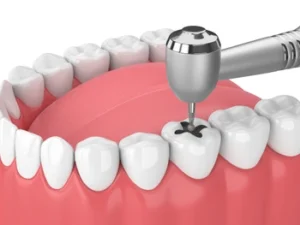 First, your dentist will examine the tooth and confirm the extent of the decay, often using X-rays. Local anaesthetic is then injected near the tooth to numb the area. You may feel a brief sting from the injection, and in some cases, a topical numbing gel is applied to the gum first to soften that sensation.
Once the anaesthetic takes effect, your dentist removes the decayed part of the tooth using a dental drill or other instrument. This is the stage most patients anticipate with anxiety. With the area properly numb, you will likely feel pressure and vibration rather than sharp pain, though individual experience varies.
After the decayed material is removed, the cavity is cleaned and dried. For composite resin fillings, which are tooth-coloured and the most commonly placed type today, the material is applied in layers and hardened with a curing light at each stage. Your dentist then shapes and polishes the filling to ensure your bite feels natural.
According to Healthdirect on dental fillings, composite resin is bonded directly to the tooth surface, which means less healthy tooth structure needs to be removed compared to older filling types.
Does the Size of the Cavity Make a Difference?
Yes, and this is one of the most important factors that shapes the filling experience.
A small cavity caught early, often during a routine check-up before it causes any pain, generally involves a shorter procedure. The decay has not had time to reach the deeper layers of the tooth, so the dentist removes less material. Post-procedure sensitivity tends to be mild and settles within a few days.
A deeper cavity is a different matter. The closer the decay is to the pulp, which is the soft inner tissue of the tooth containing nerves and blood vessels, the more involved the procedure becomes. Deep fillings may cause more noticeable sensitivity during healing, and in some cases where decay has reached the pulp, a root canal may be needed rather than a filling.
Finding decay in the early stages means less of the tooth needs to be repaired. Addressing cavities early is one of the most direct ways to keep the procedure straightforward.
This is why regular dental check-ups matter as a practical measure, not just a recommendation.
What If I Have Dental Anxiety?
Dental anxiety is common, and it can make the experience feel more intense than it might otherwise be. For many patients, anxiety around the injection or the sound of the drill is the main source of difficulty, rather than the procedure itself.
At Melton Smiles, happy gas, also known as nitrous oxide, is available as an option for patients who need additional support. It is administered through a small nose mask and produces a calm, relaxed feeling while you remain fully conscious and able to respond to your dentist throughout the treatment.
According to the Australian Dental Association, nitrous oxide sedation is one of the most widely used techniques in Australian dental practices for managing anxiety in patients, and dentists administering it follow evidence-based guidelines set by national dental bodies.
The effect of nitrous oxide wears off quickly once the mask is removed, usually within minutes, so most patients can drive themselves home afterwards. Your dentist will discuss whether it is suitable for you based on your health history and the treatment being performed.
If you have put off treatment because of anxiety, letting our team know before your appointment means we can prepare and make the visit as manageable as possible.
Why Does the Filled Tooth Feel Different Afterward?
Once the local anaesthetic wears off, usually within a few hours, it is normal for the filled tooth to feel different. This does not mean the filling has gone wrong.
Common post-filling experiences include:
- Temperature sensitivity: The tooth may react more noticeably to cold air, icy drinks, or hot food. This typically settles as the tooth adjusts to the new filling material.
- Pressure sensitivity: Some tenderness when biting is common in the first day or two, particularly if the filling is sitting slightly high relative to the surrounding teeth.
- Mild aching: A low-level ache around the filled tooth in the first 24 to 48 hours is not unusual, especially with deeper fillings.
- Sensitivity to sweet foods: Composite resin can temporarily make the tooth more reactive to sugar while the bonding process completes.
Sensitivity that is mild and improving is part of the normal healing process. Over-the-counter pain relief, taken as directed, can help manage any discomfort in the first day or two.
How Long Should Sensitivity Last After a Filling?
For most patients, post-filling sensitivity settles within a few days to two weeks. Deeper fillings can take longer.
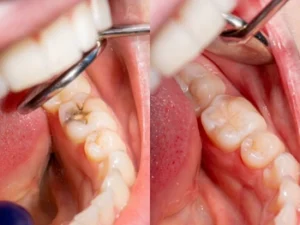 Several factors affect how long this takes:
- Cavity depth: The closer the decay was to the nerve, the more likely the tooth is to remain sensitive during the healing period
- Filling size: A larger restoration involves more of the tooth surface and may take longer to settle
- Bite alignment: If the filled tooth sits slightly higher than the surrounding teeth, the uneven pressure when chewing can extend sensitivity. This is straightforward for your dentist to adjust at a follow-up appointment
- Existing sensitivity: Patients with sensitive teeth before the filling may notice this continues or increases in the short term following treatment
Brushing twice a day thoroughly and flossing daily are the foundations of protecting your teeth from further decay. Continue this routine after your filling, but gently around the newly filled tooth, and avoid very hard or sticky foods for at least 24 hours to let the filling fully set.
When Should You Contact Your Dentist After a Filling?
Some sensitivity after a filling is expected. The following signs suggest you should contact your dentist rather than wait for things to resolve on their own.
Contact your dentist if:
- Pain is intensifying rather than gradually improving after the first few days
- You have a throbbing pain that does not ease
- The tooth is very sensitive to heat, specifically, which can indicate an issue with the nerve
- Your bite feels uneven or noticeably uncomfortable when you close your mouth
- Sensitivity continues beyond two to three weeks without any improvement
These symptoms can sometimes point to a high bite that needs adjustment, a filling that has irritated the nerve more than expected, or, in rarer cases, an infection. None of these situations should be ignored. Leaving a tooth in ongoing pain risks the decay progressing further or the infection spreading.
What Happens If a Cavity Is Left Without Treatment?
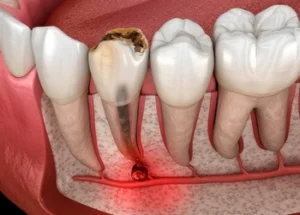 It is worth understanding what the filling is preventing. Tooth decay does not stay the same. Without treatment, it continues to move deeper into the tooth structure.
A small cavity that could have been addressed with a simple filling may eventually reach the nerve, at which point a root canal is needed rather than a filling. Root canal treatment is a more involved procedure than a filling, though it is still a routine part of dental care. In more advanced cases, the tooth may not be salvageable, and extraction becomes necessary, which raises the question of tooth replacement through options such as dental implants or a bridge.
The pattern is consistent: earlier treatment means a simpler procedure, less tooth structure lost, and a more straightforward recovery.
A Straightforward Approach to Dental Fillings
For most patients, the filling procedure is more manageable than they anticipated before walking in. The local anaesthetic handles most of the discomfort during the procedure, and any sensitivity afterwards is generally short-lived. The factors that shape the experience most are the depth of the cavity and how early it is caught.
If you have been putting off a filling, or if you are due for a check-up and want to know what is happening with your teeth, the team at Melton Smiles dental clinic is here to help. We work with patients of all ages and have options available for those who experience dental anxiety.
Call us on (03) 8007 2883 or book an appointment online.
Frequently Asked Questions
Do I need a local anaesthetic for every filling?
In most cases, yes. Local anaesthetic is used before the dentist removes the decayed part of the tooth to manage discomfort during the procedure. For very small, shallow cavities that have not reached the dentine, some dentists may proceed without an injection, but this depends on the individual case. Your dentist will discuss the approach with you before starting.
Can I eat straight after getting a filling?
It is generally recommended to wait until the local anaesthetic has fully worn off before eating, which typically takes one to three hours. Eating while numb carries the risk of accidentally biting your cheek or tongue. Avoid hard, sticky, or chewy foods for at least 24 hours after the filling to let the material fully set.
Is happy gas suitable for everyone?
Happy gas, or nitrous oxide, is suitable for many patients experiencing dental anxiety but is not appropriate in all circumstances. It may not be recommended for patients with certain respiratory conditions, some nasal blockages, or those who are in the early stages of pregnancy. Your dentist will review your health history and advise whether it is a suitable option for you before your appointment.
How long does a tooth filling last?
Composite resin fillings, which are the most commonly placed today, typically last between five and ten years depending on where the filling is located, how large it is, and how well the tooth is maintained. Regular check-ups allow your dentist to monitor the condition of existing fillings and address any wear or damage before it becomes a larger problem.
What is the difference between a filling and a root canal?
A filling addresses decay that has not yet reached the inner pulp of the tooth. A root canal is needed when decay or infection has affected the pulp, where the nerve and blood supply sit. Root canal treatment removes the infected pulp, cleans the canal, and seals the tooth, often with a crown placed afterwards. A filling is a simpler procedure; a root canal is more involved but remains a routine treatment in general dentistry.
References
Australian Dental Association. (n.d.). ‘Policy Statement 6.33 – Nitrous Oxide Sedation in Dentistry’. Australian Dental Association. Sydney, NSW: Australian Dental Association. https://ada.org.au/policy-statement-6-33-relative-analgesia
Better Health Channel. (2025). ‘Dental Fillings’. Better Health Channel, August. Melbourne, VIC: Victorian Government Department of Health. https://www.betterhealth.vic.gov.au/health/conditionsandtreatments/dental-fillings
Colgate. (n.d.). ‘What Is Good Oral Hygiene?’. Colgate. Sydney, NSW: Colgate-Palmolive (Australia) Pty Ltd. https://www.colgate.com.au/oral-health/adult-oral-care/what-is-good-oral-hygiene
Healthdirect Australia. (2025). ‘Dental Fillings’. Healthdirect Australia, June. Sydney, NSW: Healthdirect Australia. https://www.healthdirect.gov.au/dental-fillings